
Bulging Disc
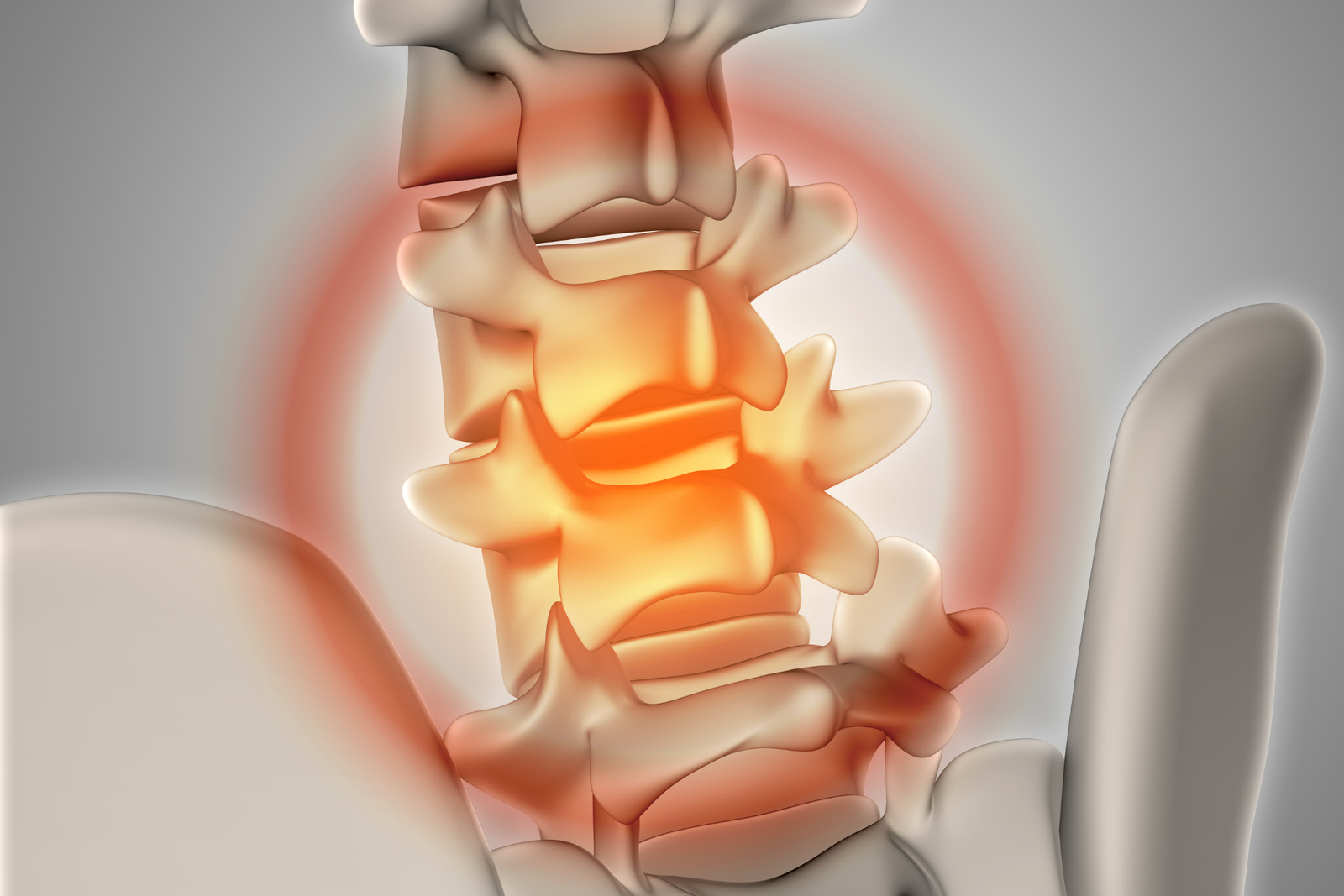
Bulging disc
A bulging disc occurs when the outer layer of a spinal disc extends beyond its normal boundary, usually due to pressure or degeneration. Unlike a herniated disc, a bulging disc doesn’t rupture – but it can still compress nearby nerves and cause pain, numbness, or weakness.
Ageing & Wear-and-Tear
Natural degeneration over time weakens the disc walls, causing them to bulge outward.Spinal Compression from Poor Posture
Sitting or standing in a slouched position increases pressure on spinal discs.Injury or Strain
Heavy lifting, incorrect bending, or trauma can lead to disc bulging.Muscle Weakness
Weak spinal and core muscles shift more pressure onto the discs.
Localised back or neck pain
Pain radiating to the arms, legs, or buttocks
Tingling or numbness in the limbs
Muscle weakness or difficulty with coordination
Increased discomfort with movement or certain positions
At SpineClinic.mu, we treat bulging discs using targeted, non-invasive methods that help restore mobility and relieve pressure on the spine:
✅ Digital Spine Analysis (DSA) to detect the bulging disc and assess nerve involvement
✅ Therapeutic Exercise & Muscle Activation to reduce disc pressure
✅ Postural Correction & Spine Stabilisation
✅ Customised Rehab Programmes to strengthen and protect the spine